
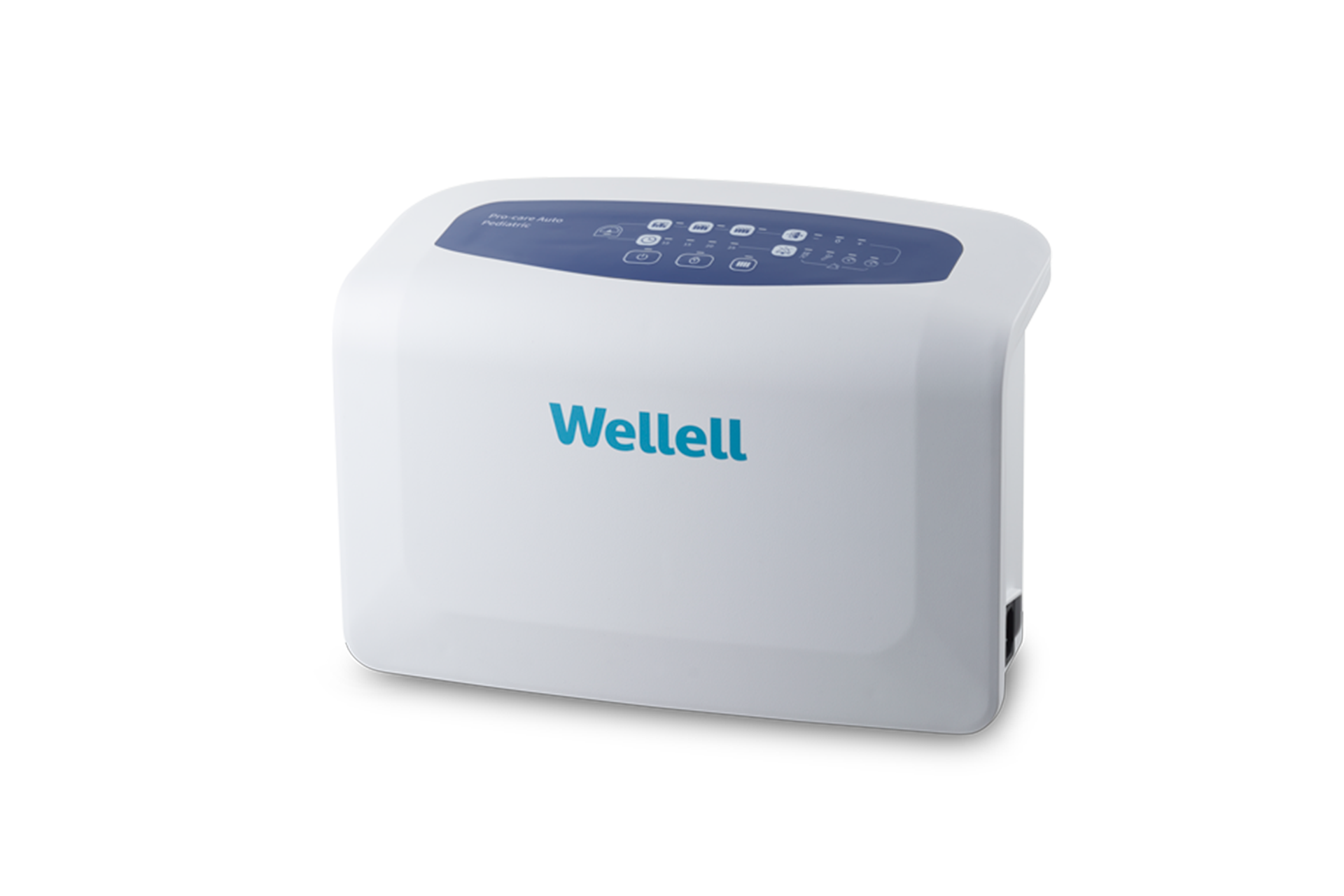
Maintain high-quality care for petite patients

Abbreviations: PI, pressure injury; PICU, pediatric ICU.
75% of pediatric patients (unsuitable to be treated as adults) worldwide develop PI, especially in neonates and children with chronic diseases. Underdeveloped tissues and structures weaken their resistance to pressure and awareness of pain, accelerating PI and deformation development.
Head PI is common in younger patients due to a larger, heavier head and lack of a fatty protective layer. Other frequent sites include ankles, heels, hips, and sacrum area. Pediatric PI is 94% more costly than adult PI cases and extends hospitalization by 14 days, increasing caregivers' workload.
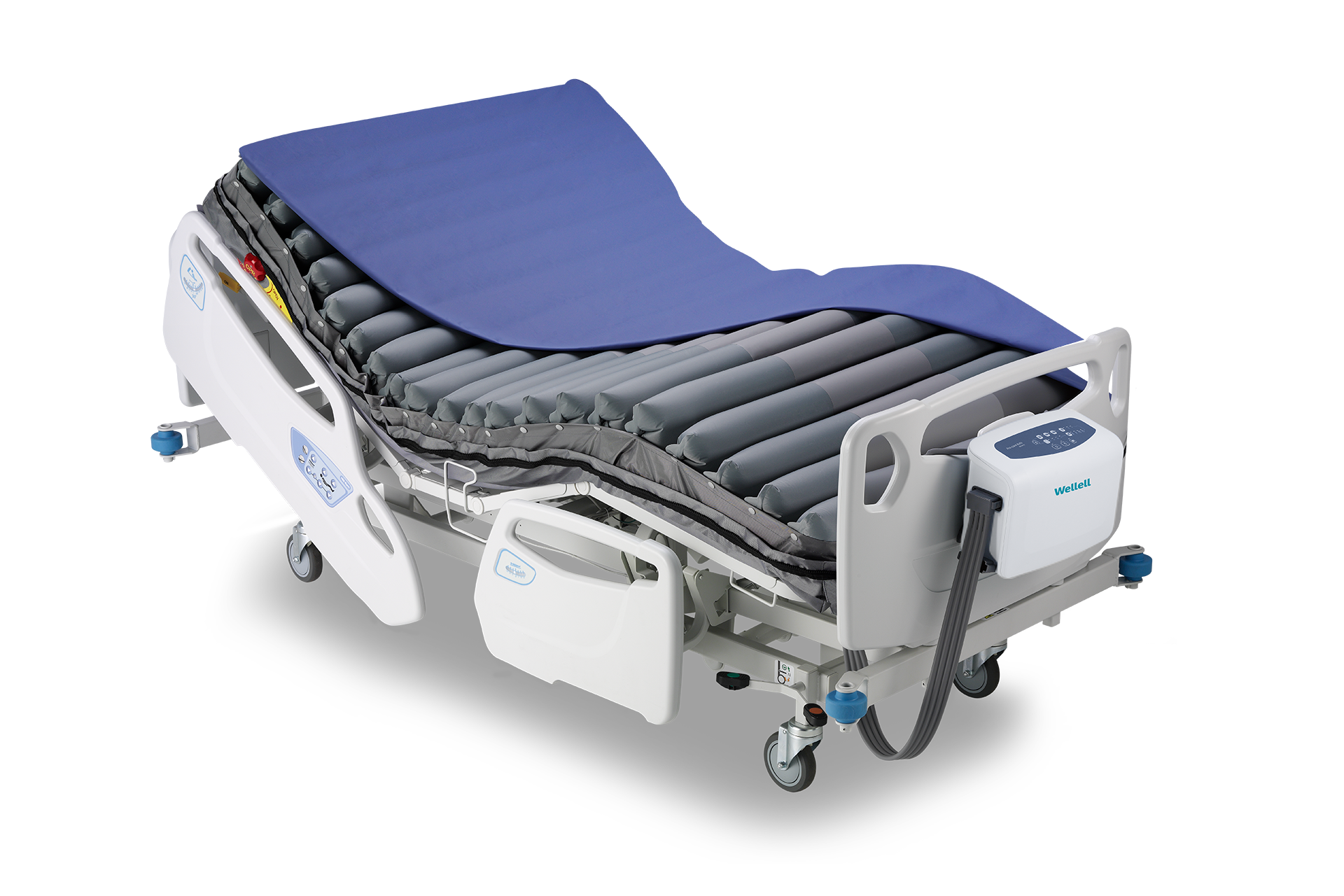
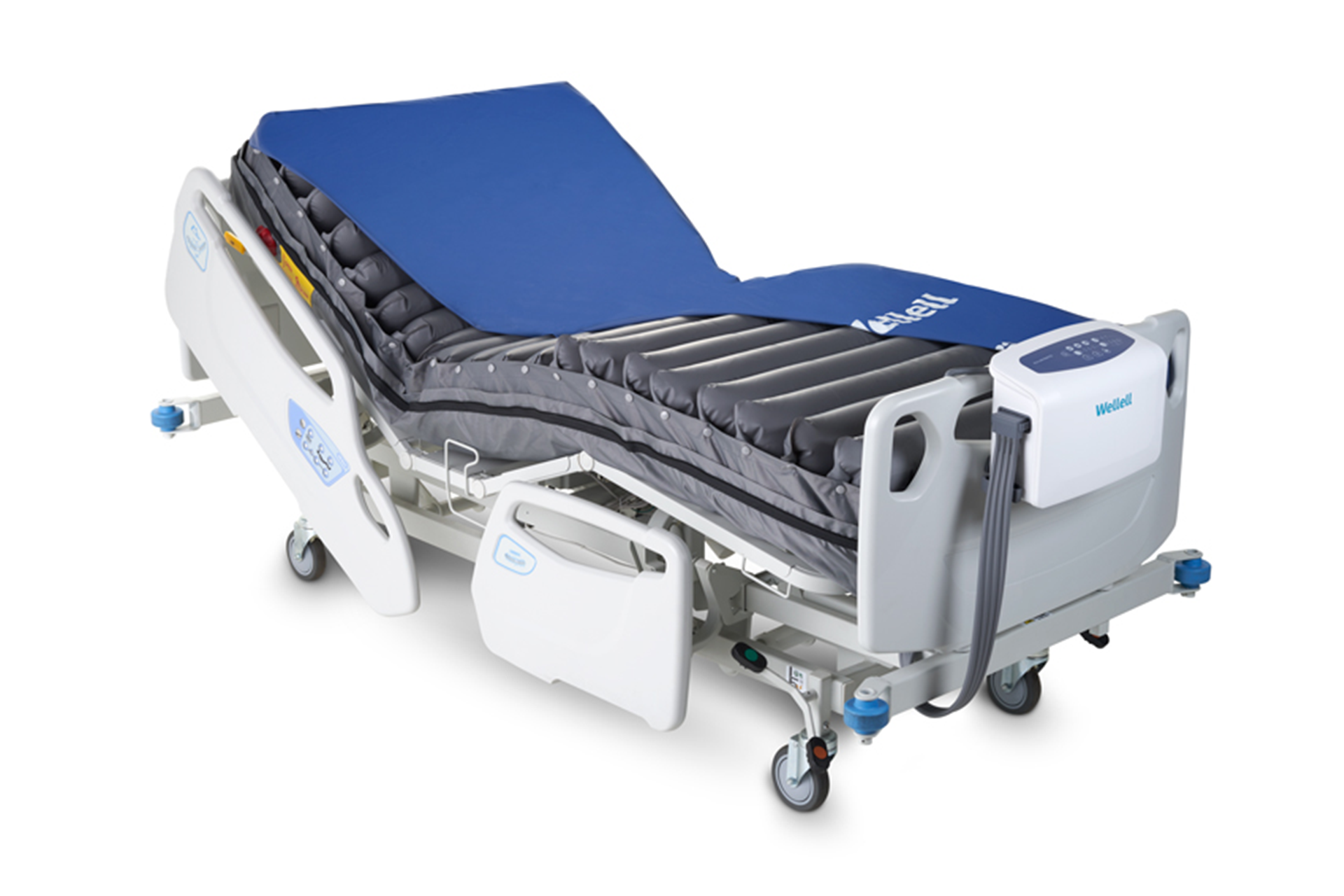
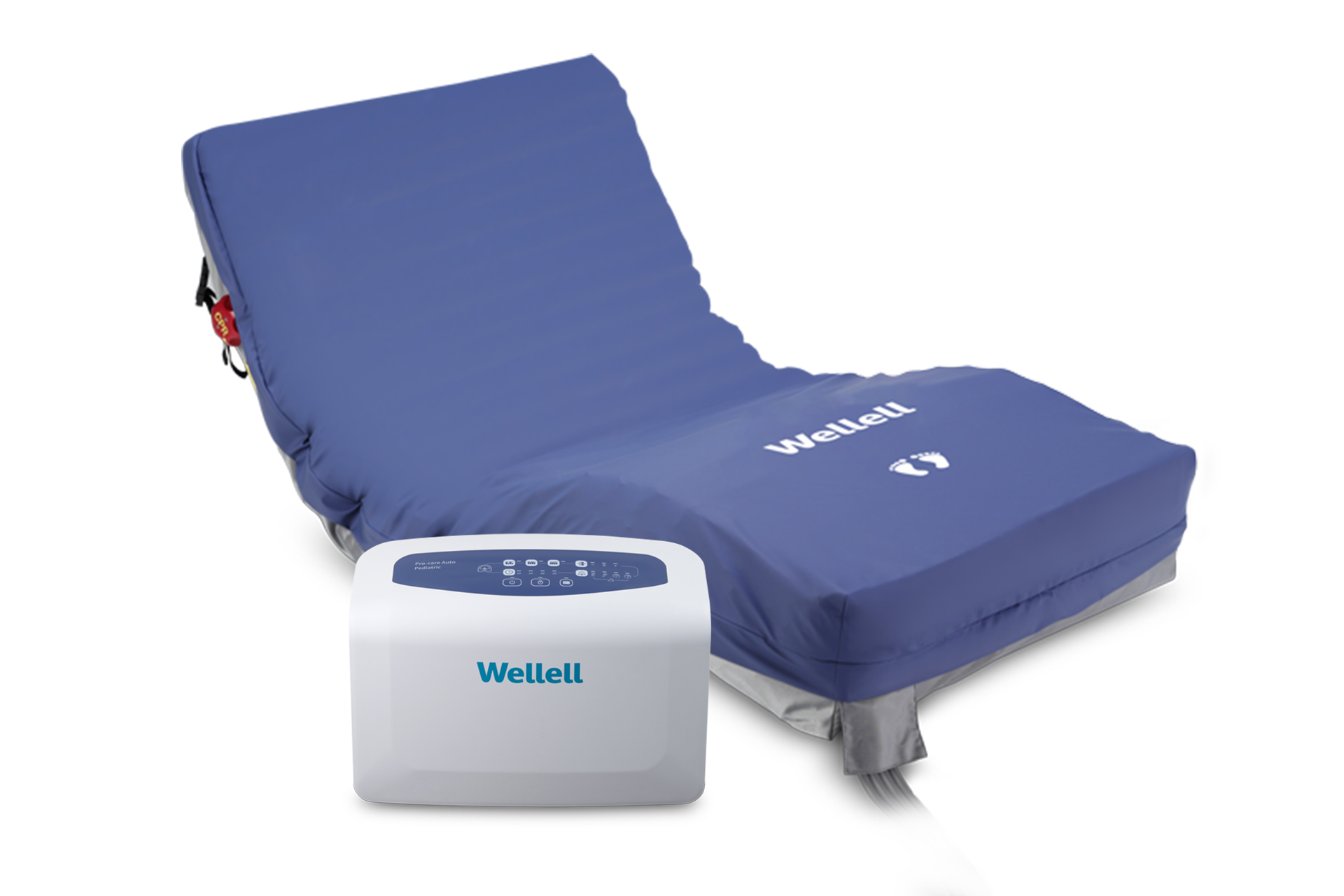
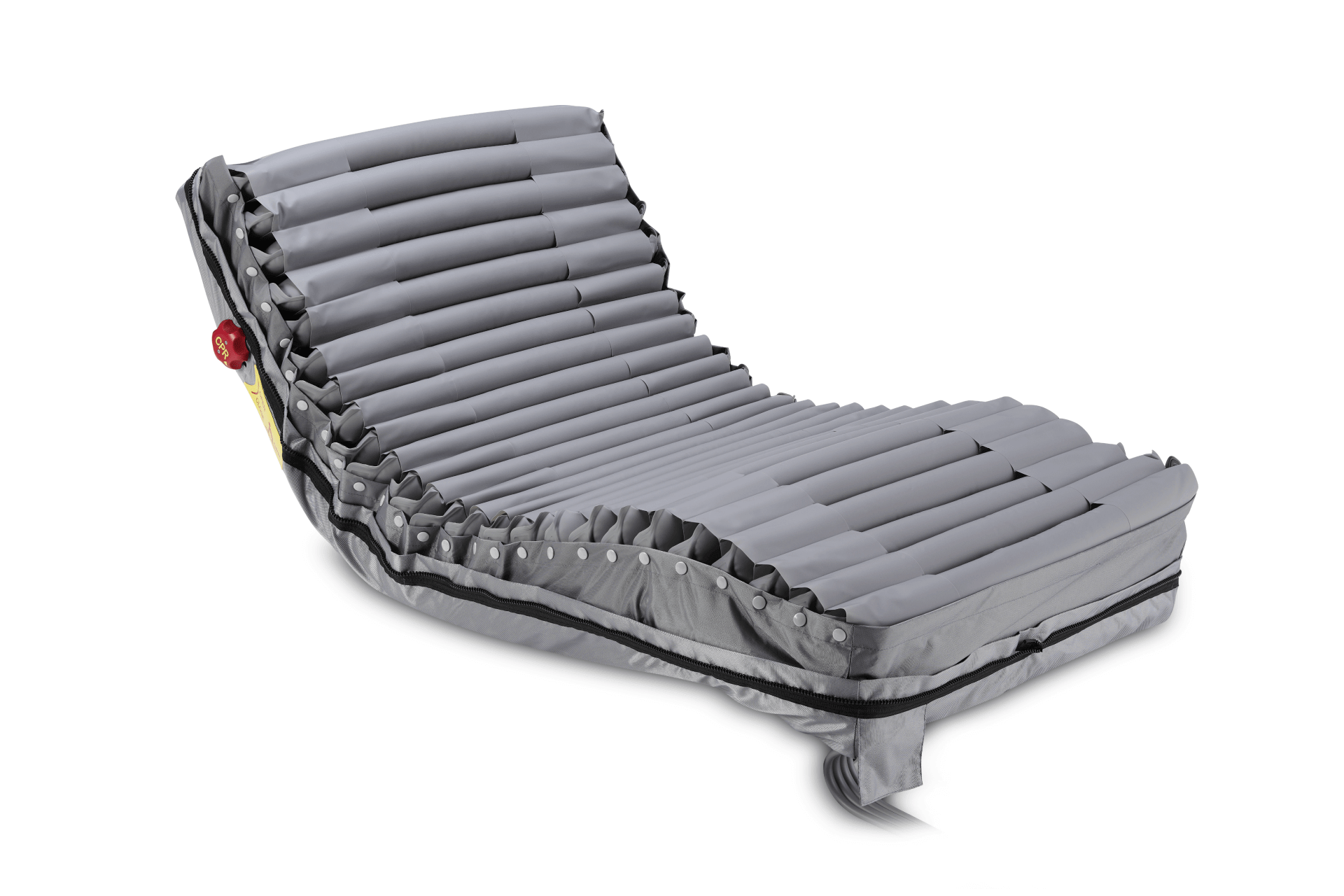
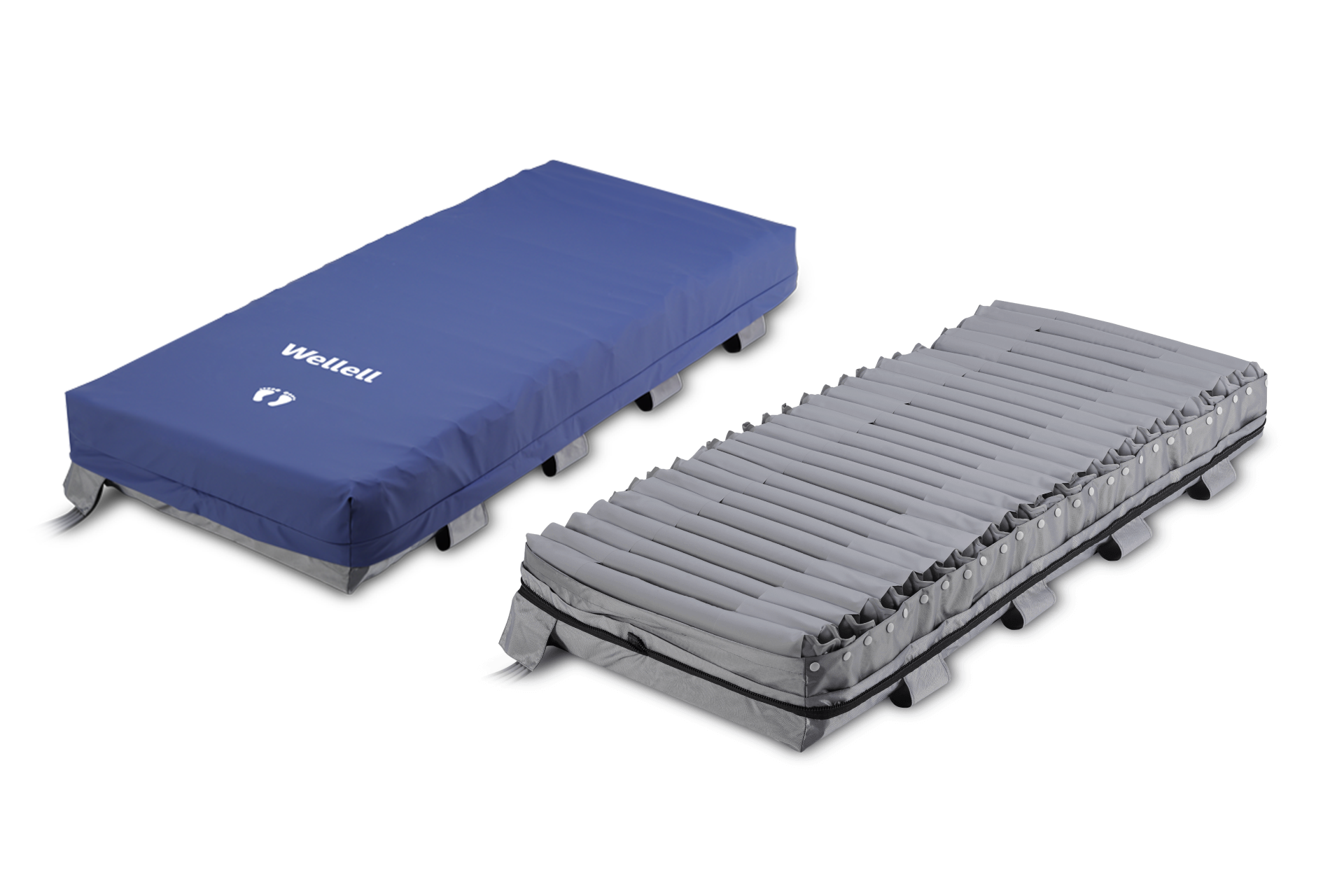
Procare Auto Pediatric G2 simplifies caregivers' workflow and care accuracy with air cells that conform to smaller bodies —patented. It automates mattress firmness to optimize head-to-toe pressure relief, minimizing PI and deformation-related risks for petite patients (5 kg to 95 kg).

Improves pressure injury prevention for pediatric patients with cerebral palsy (usually smaller, underweight, less mobile).
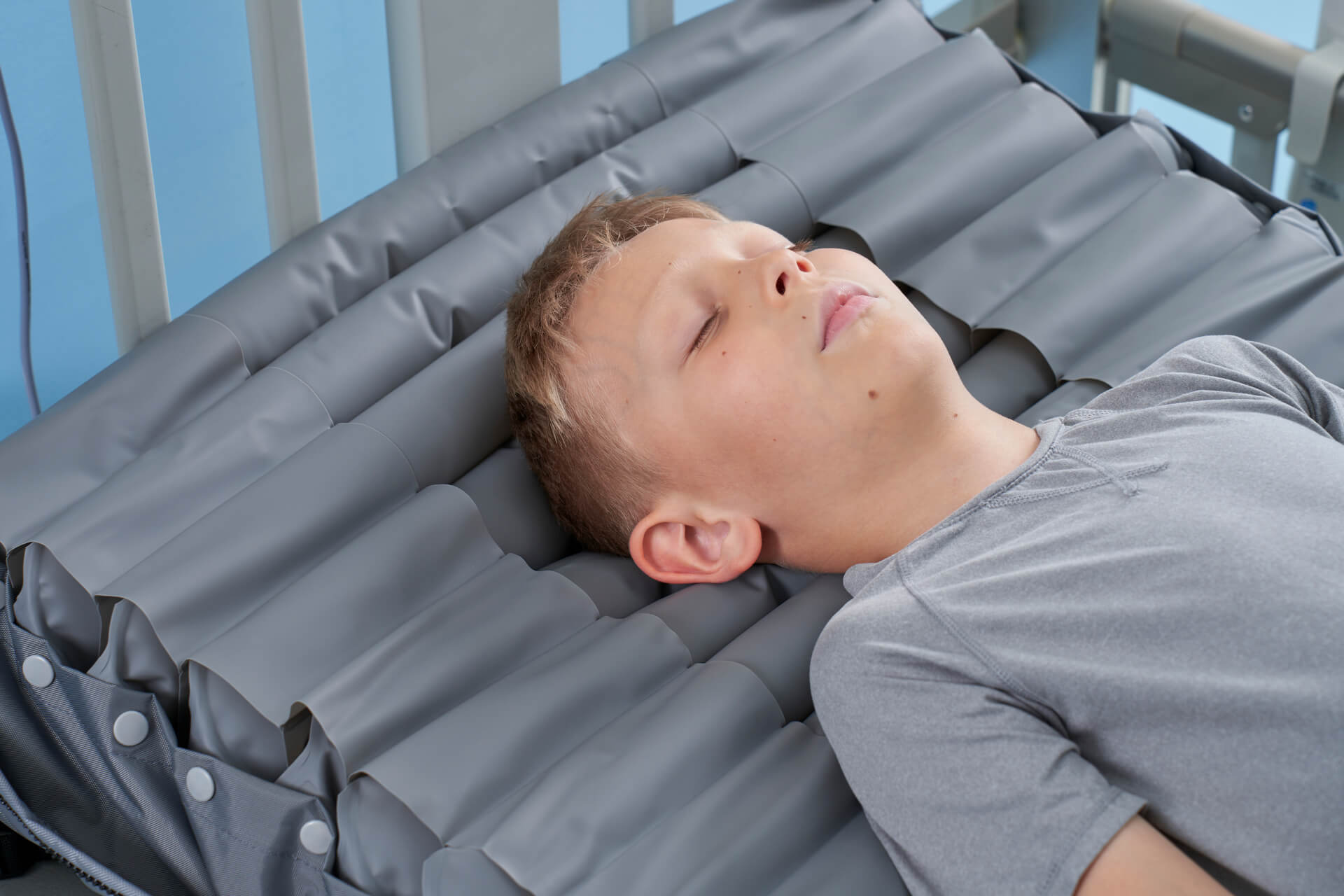
Full body pressure redistribution improves prevention against occiput and other pressure injuries for supine and lateral positions.
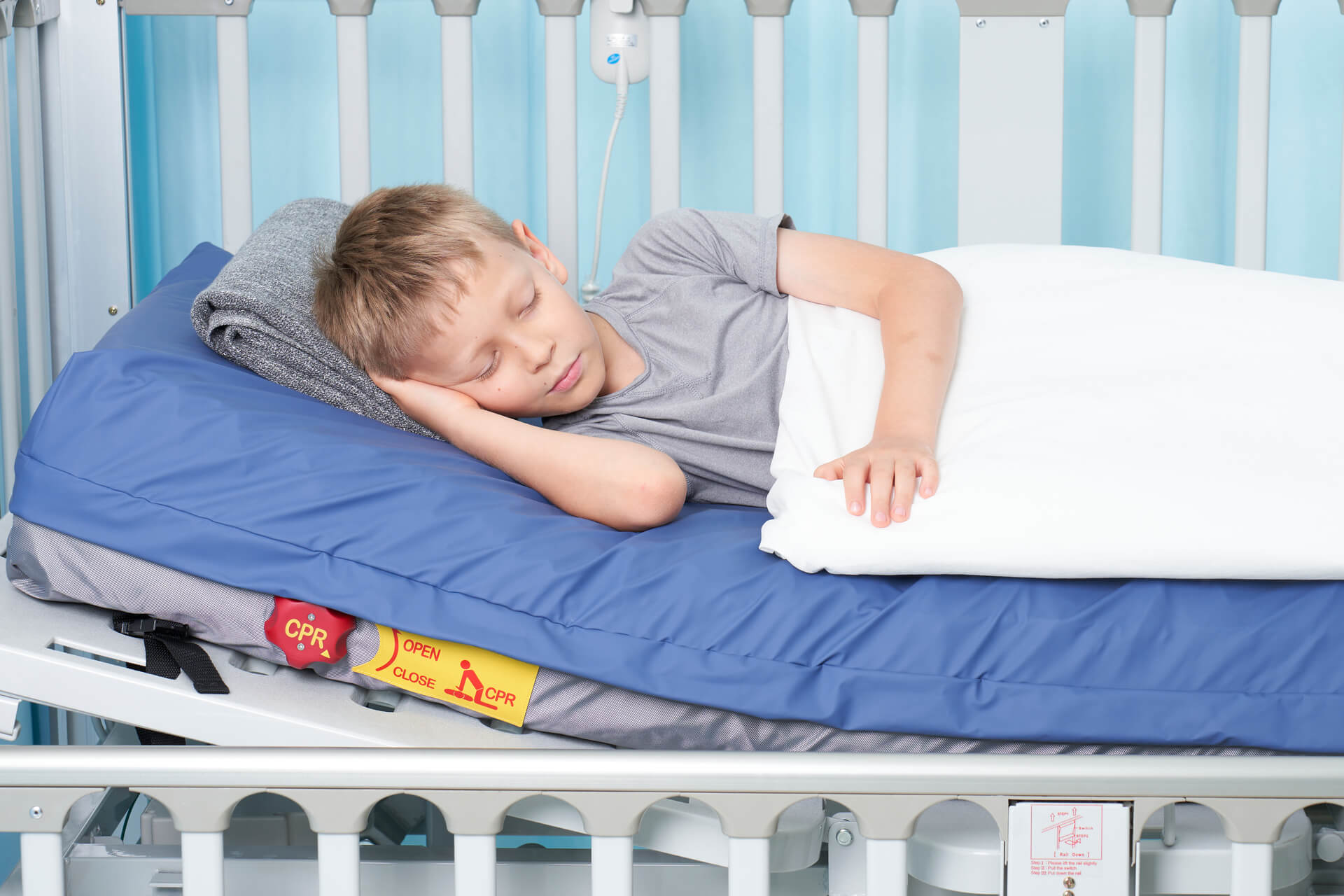
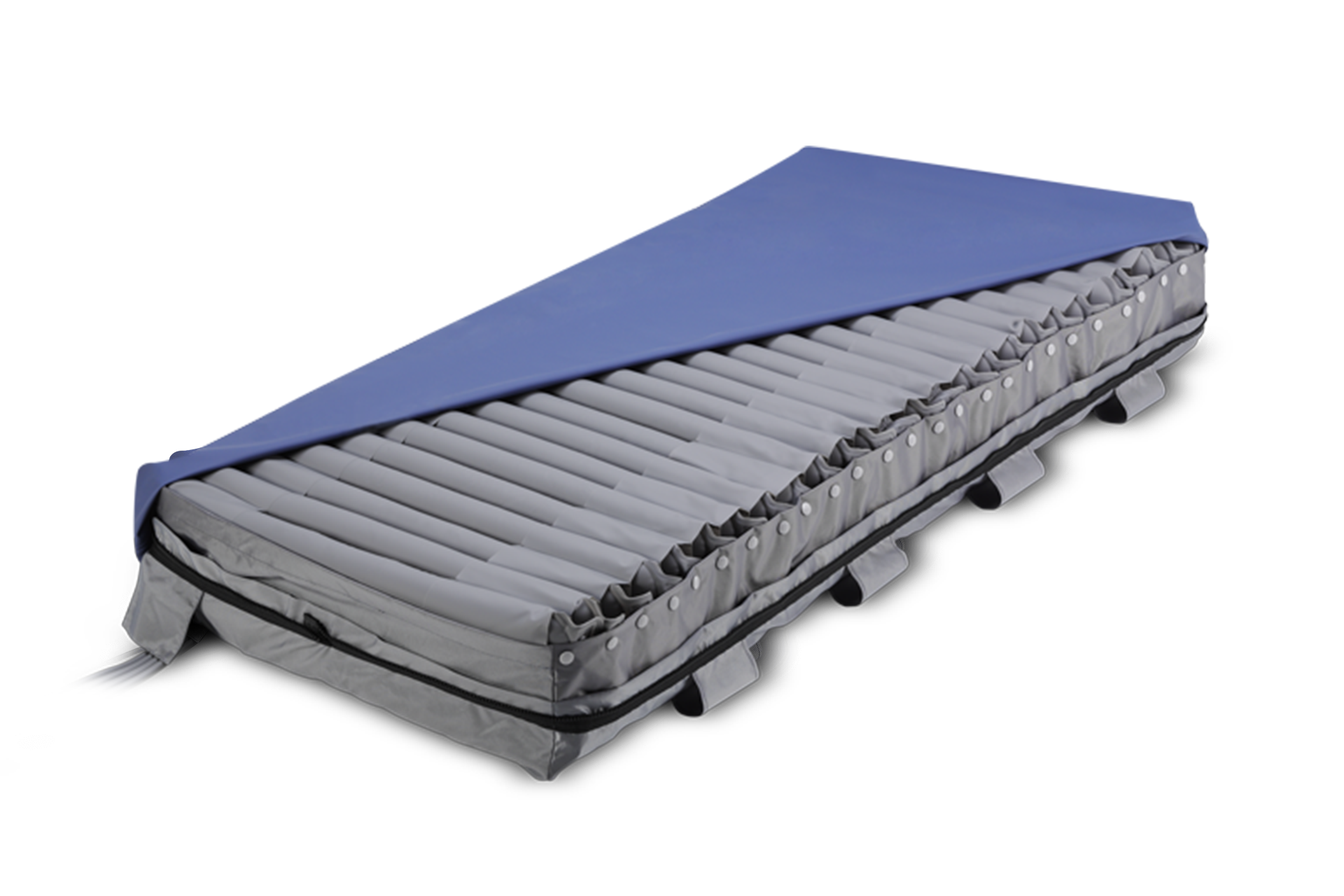
Narrower (5.8 cm), sturdier, and more tightly packed air cells improve pressure relief and prevent bottoming out or trapped limbs —patented design.
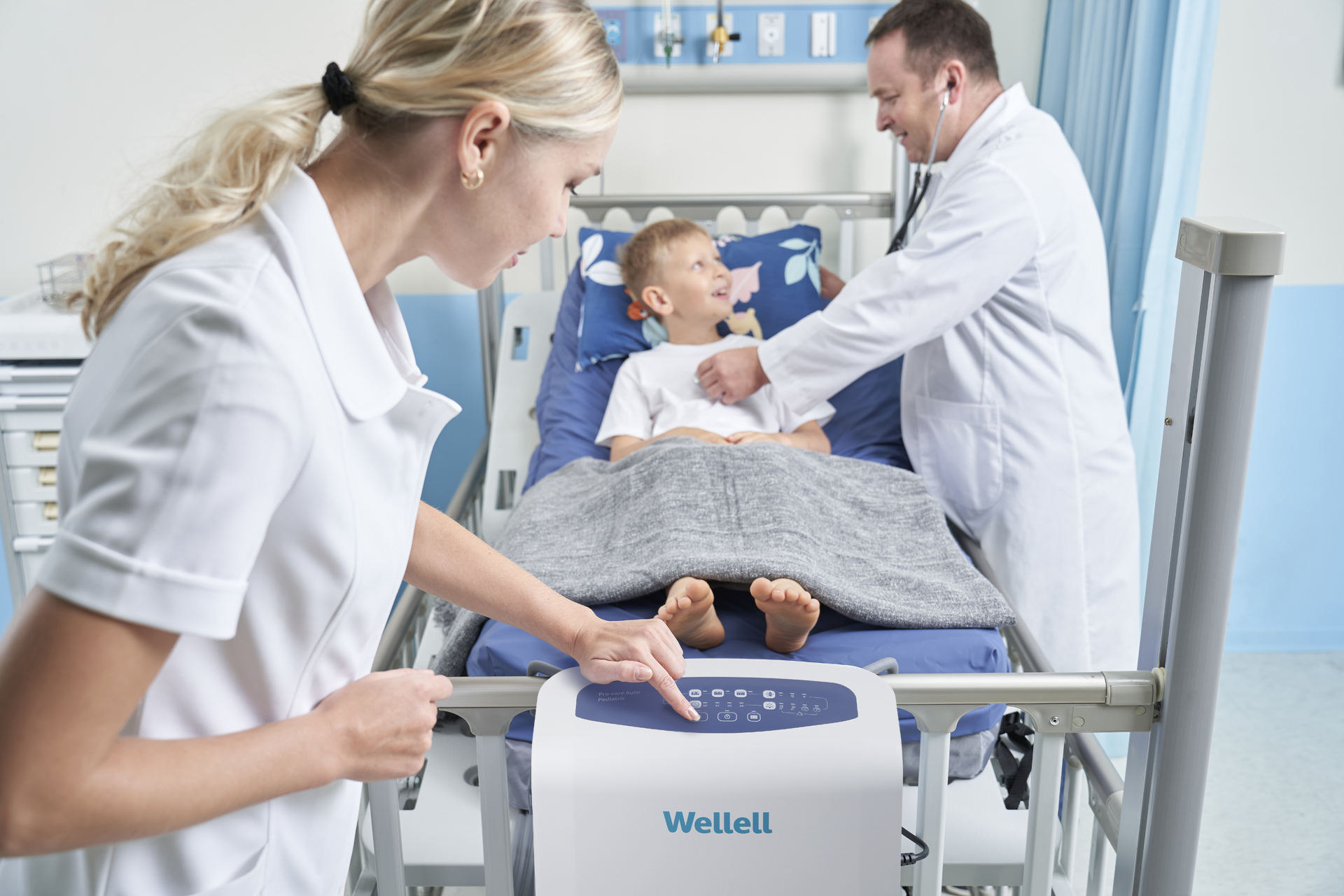
Disconnecting the quick connector switches the operating mode to static, convenient for transportation.
| Mattress dimensions (L × W × H) | 55.1—9.1 × 25.6—7.6 × 7 in / 1400—500 × 650—00 × 180 mm |
|---|---|
| Mattress weight | 20.9 lb / 9.5 kg |
| Maximum patient weight | 209 lb / 95 kg |
| Pump dimensions (L × W × H) | 13.4 × 5.3 × 8.1 in / 340 × 135 × 205 mm |
| Supply voltage | 220—40 V / 50—0 Hz |