Prone-position air mattress · High to very high risk
1 / 5
Product overview
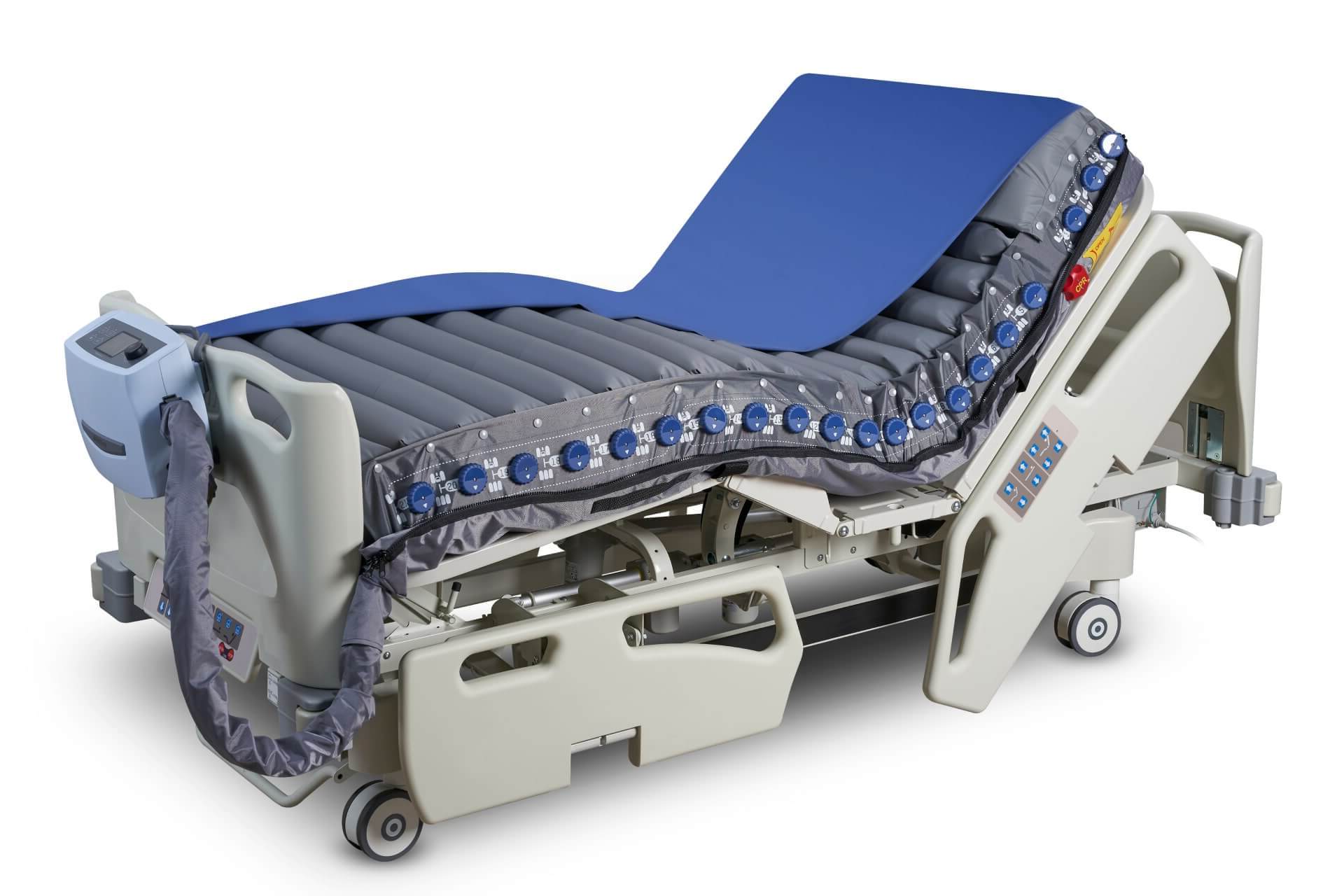
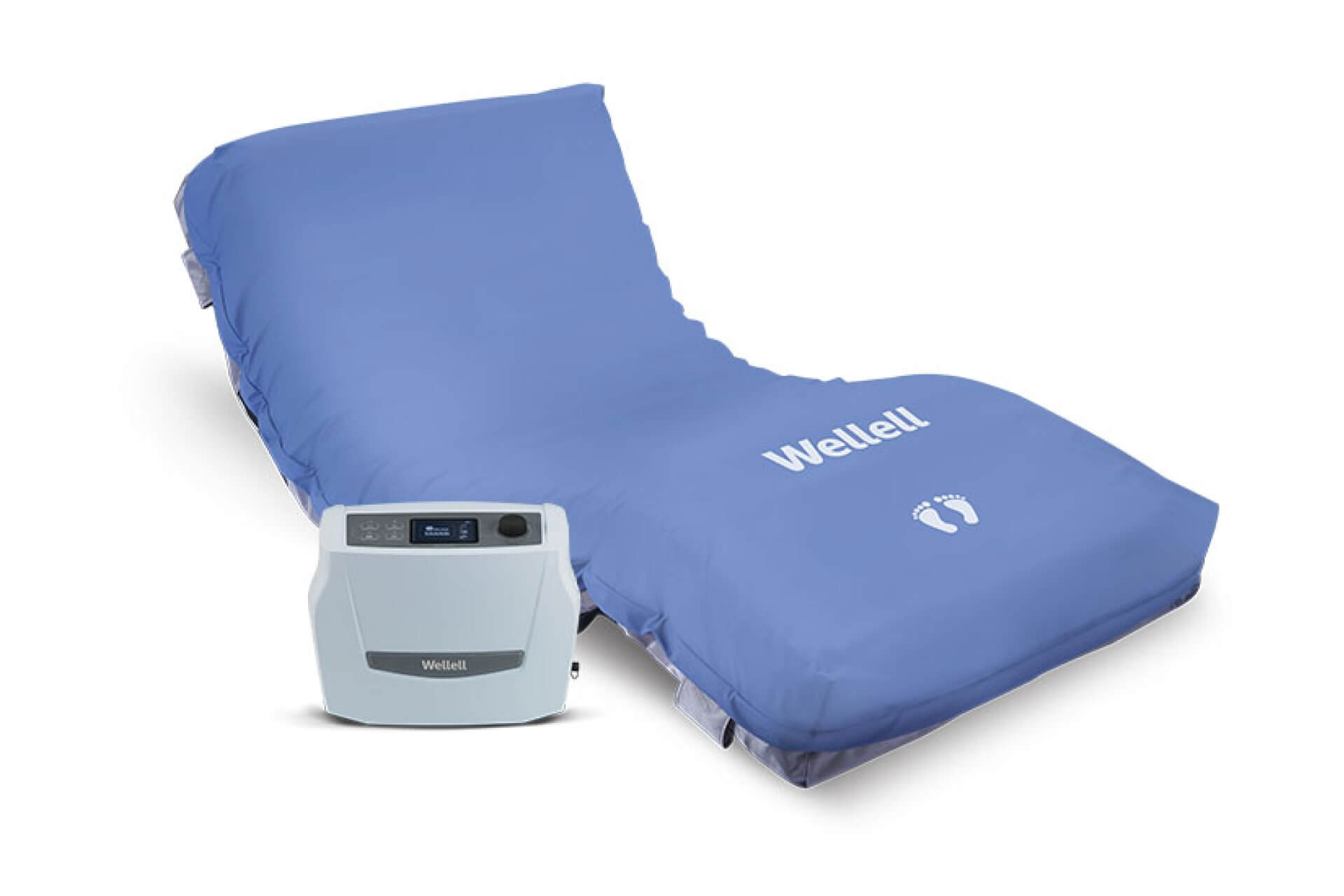
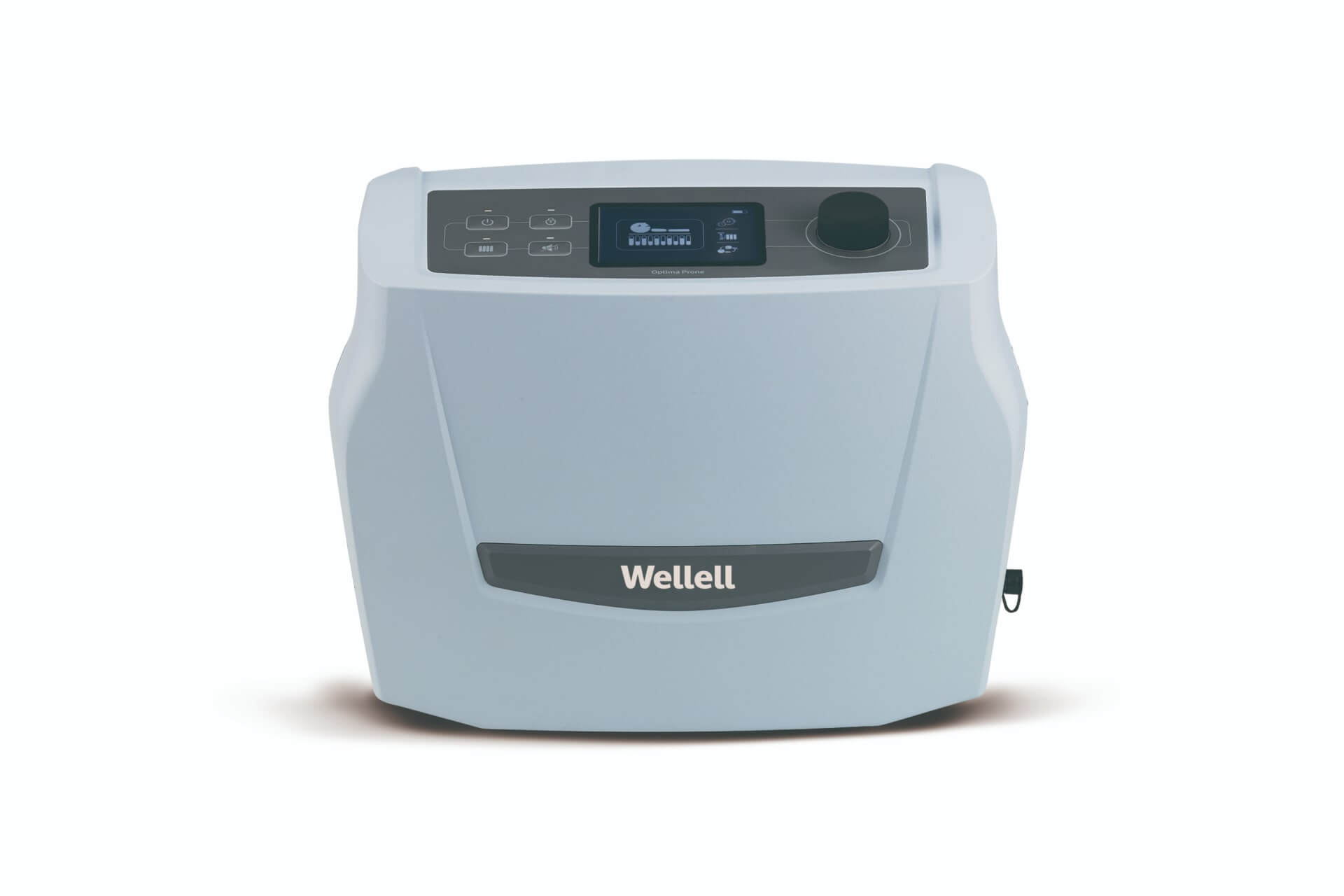
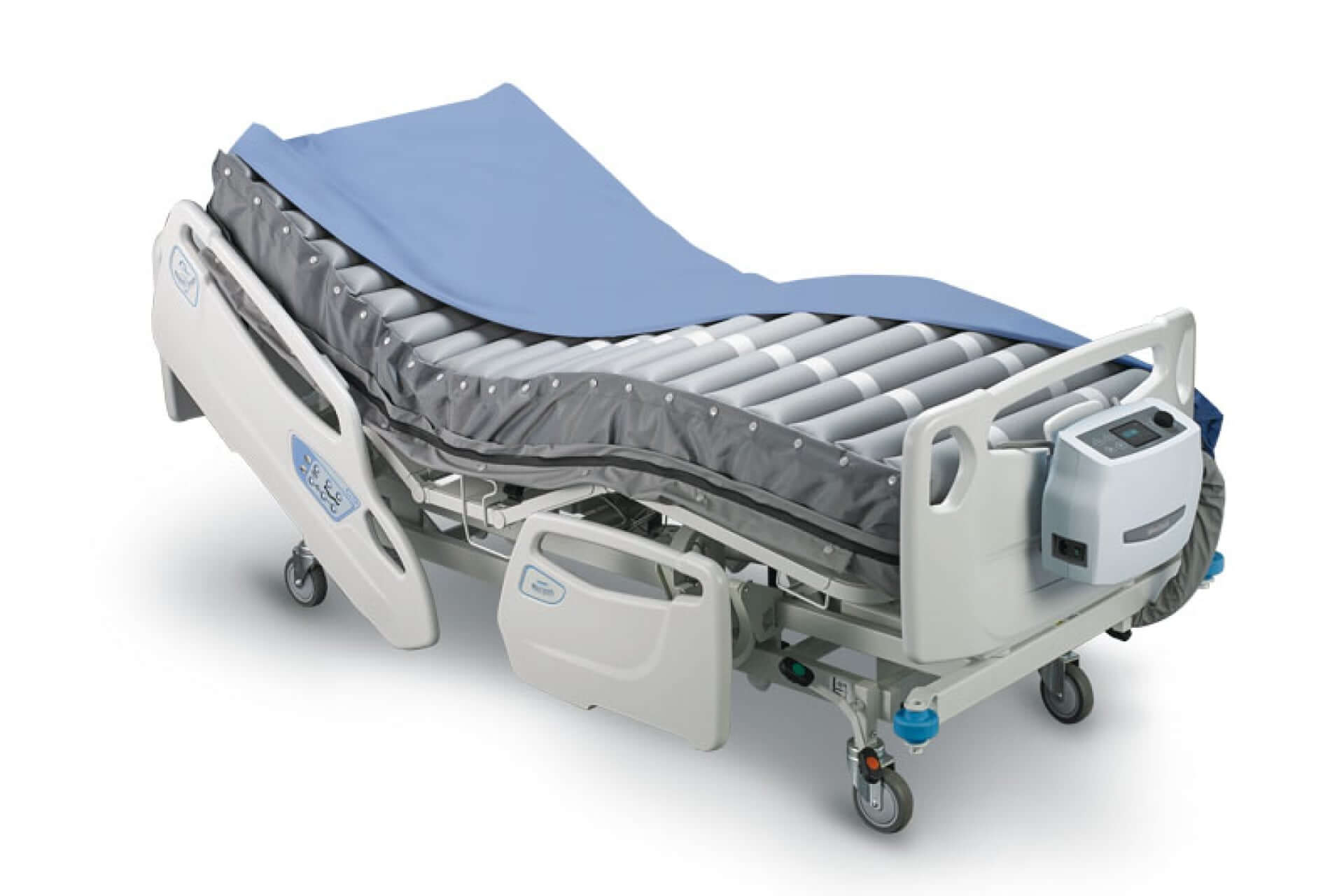
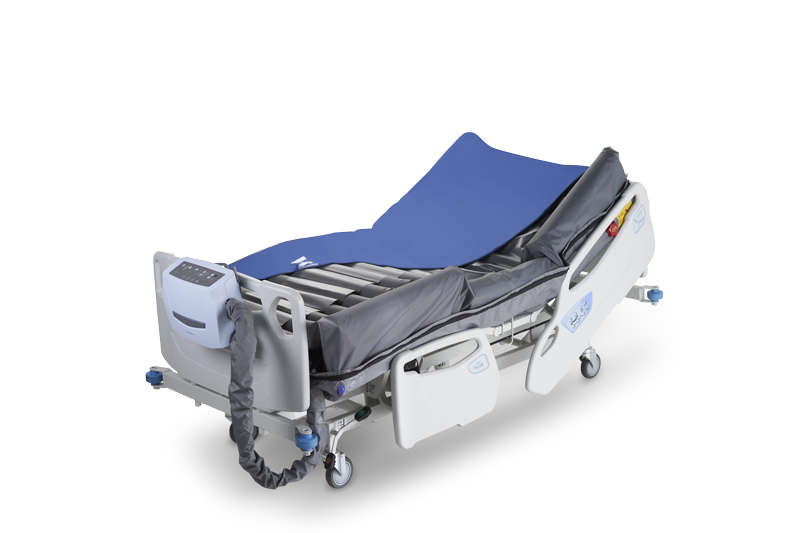
Positioning: Optima Prone is a prone-position air mattress for acute care.
Intended patients: Suitable for patients at high to very high risk of pressure
injury who require prone positioning and ventilation support.
Value proposition: As a prone-position pressure injury solution, Optima Prone
combines automated shoulder elevation and whole-body offloading to streamline prone care while
supporting consistent prevention.
Clinical context
ARDS accounts for roughly 10% of ICU admissions and a large share of in-hospital mortality;
many patients need mechanical ventilation and prolonged hospital stays (often beyond four weeks).
Prone positioning ventilation (PPV) can rapidly improve oxygenation and outcomes in ARDS, reduce
complications, and help avoid intubation in selected cases.
Conventional prone care —including frequent head repositioning and PI prevention —is labour
intensive, increases injury risk for staff and patients, and consumes scarce resources.
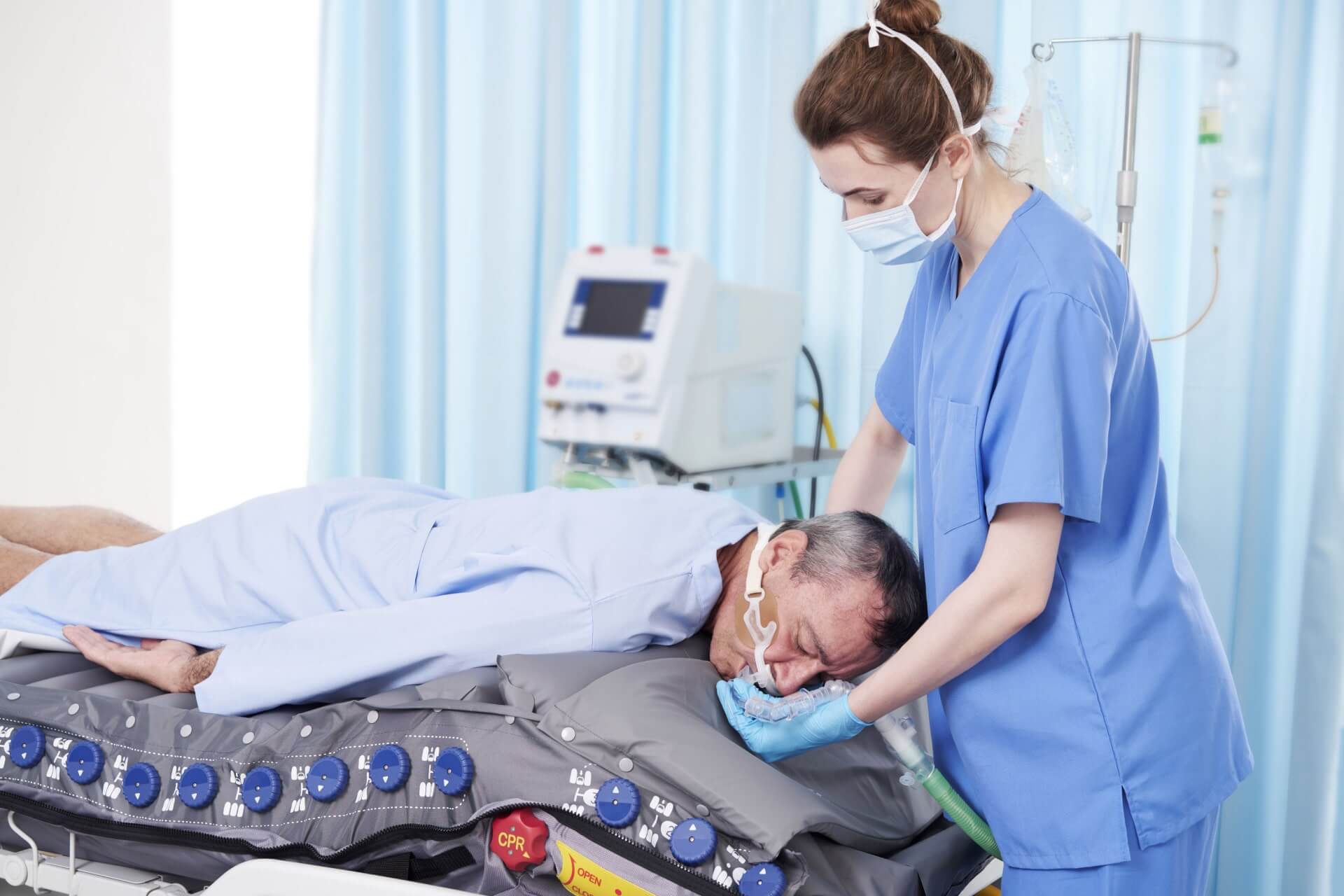
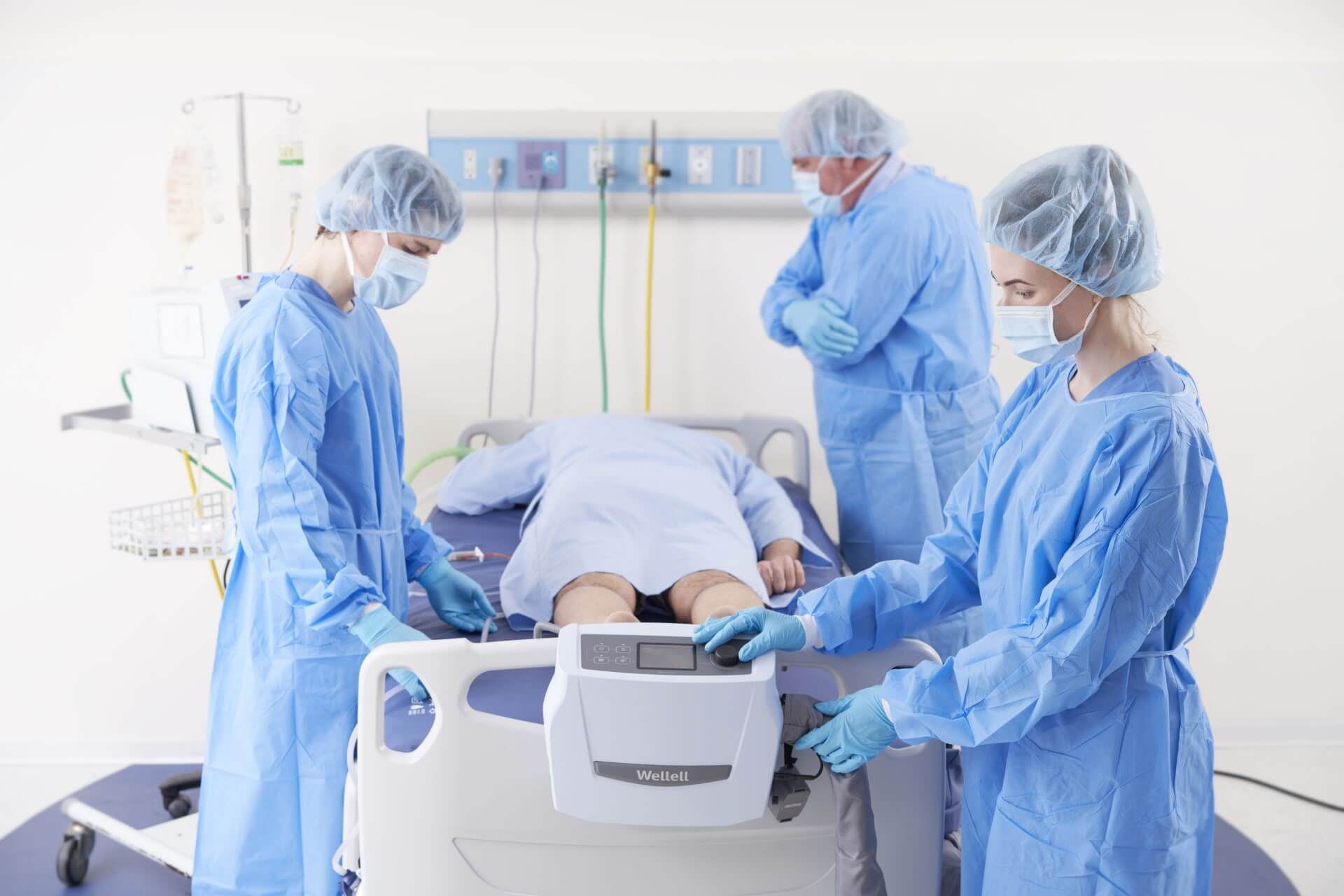
How Optima Prone helps: Mechanical shoulder elevation supports single-caregiver
head turning, while independently adjustable zones and a dedicated pressure-relief face pillow help
deliver whole-body pressure injury prevention, improving workflow efficiency and quality of care.
Key features and benefits
01
Simplified head repositioning
Mechanical shoulder elevation lifts the shoulder girdle and creates space under the chin,
reducing caregiver workload and the risk of kinking airway lines —enabling a single caregiver
to reposition the head safely and efficiently.
02
Airway and line management
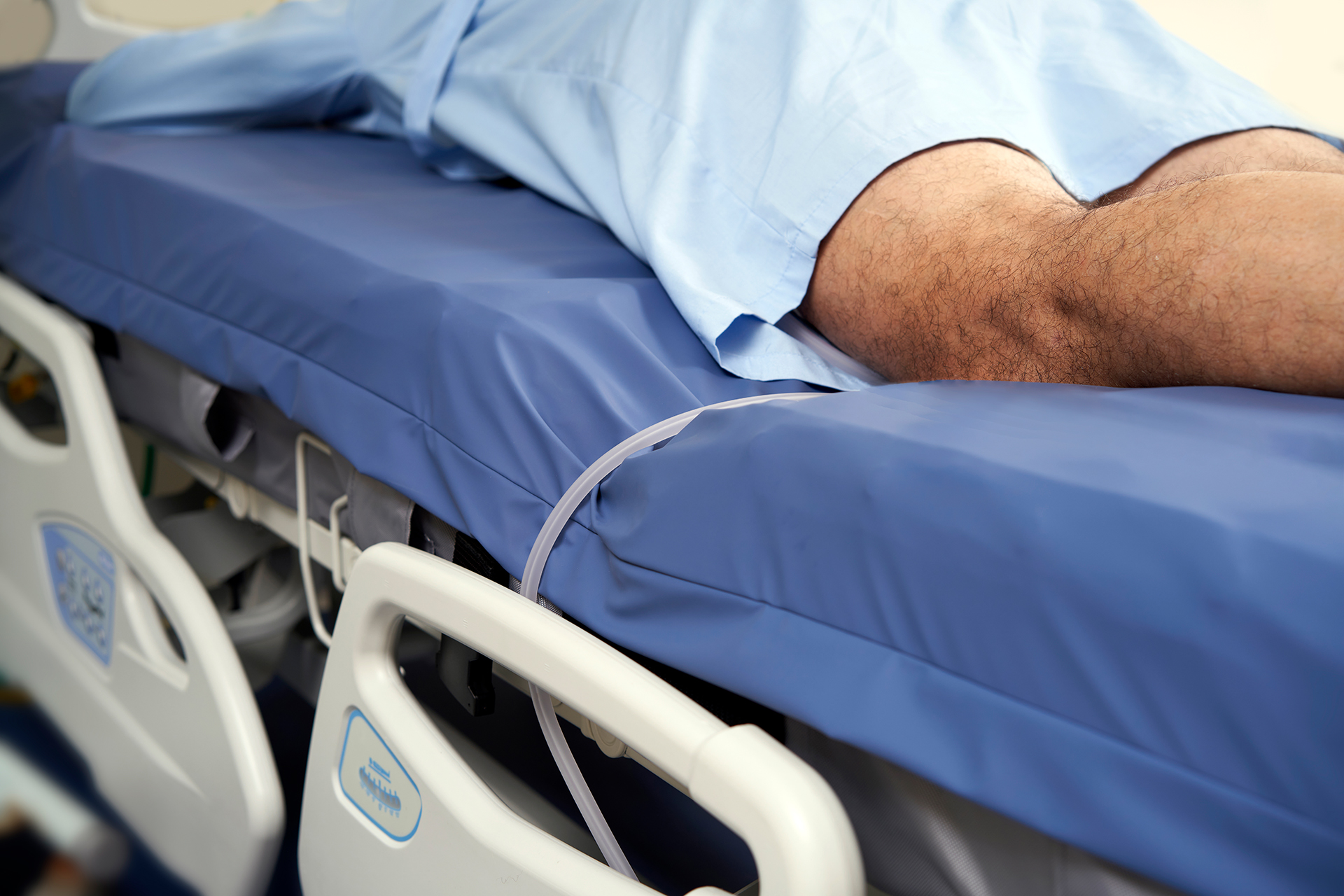
Selected zones can be deflated to route and organise airway and infusion lines, helping
prevent obstruction or displacement of blood lines and catheters and simplifying the clinical
workflow.
03
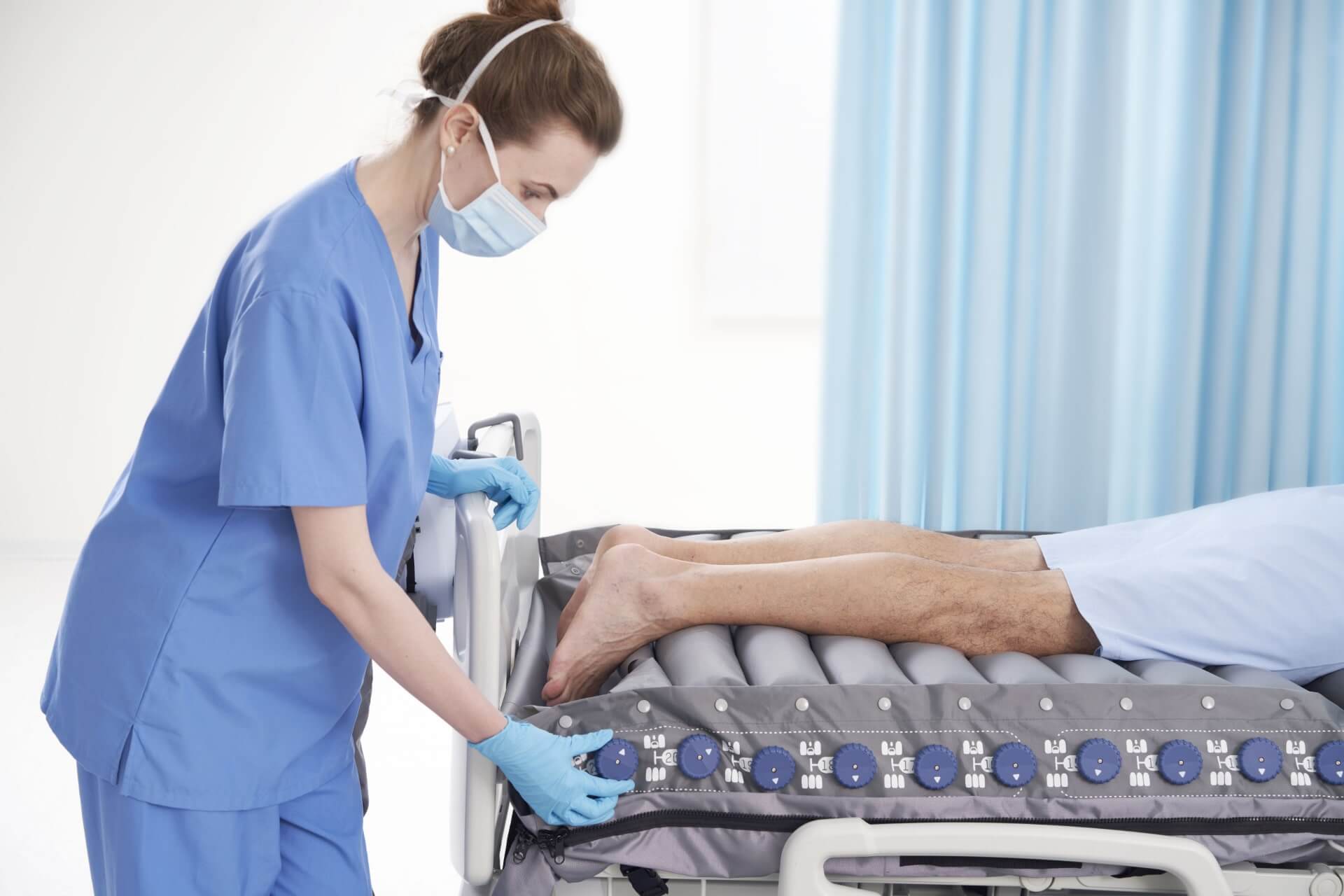
Independent zone firmness
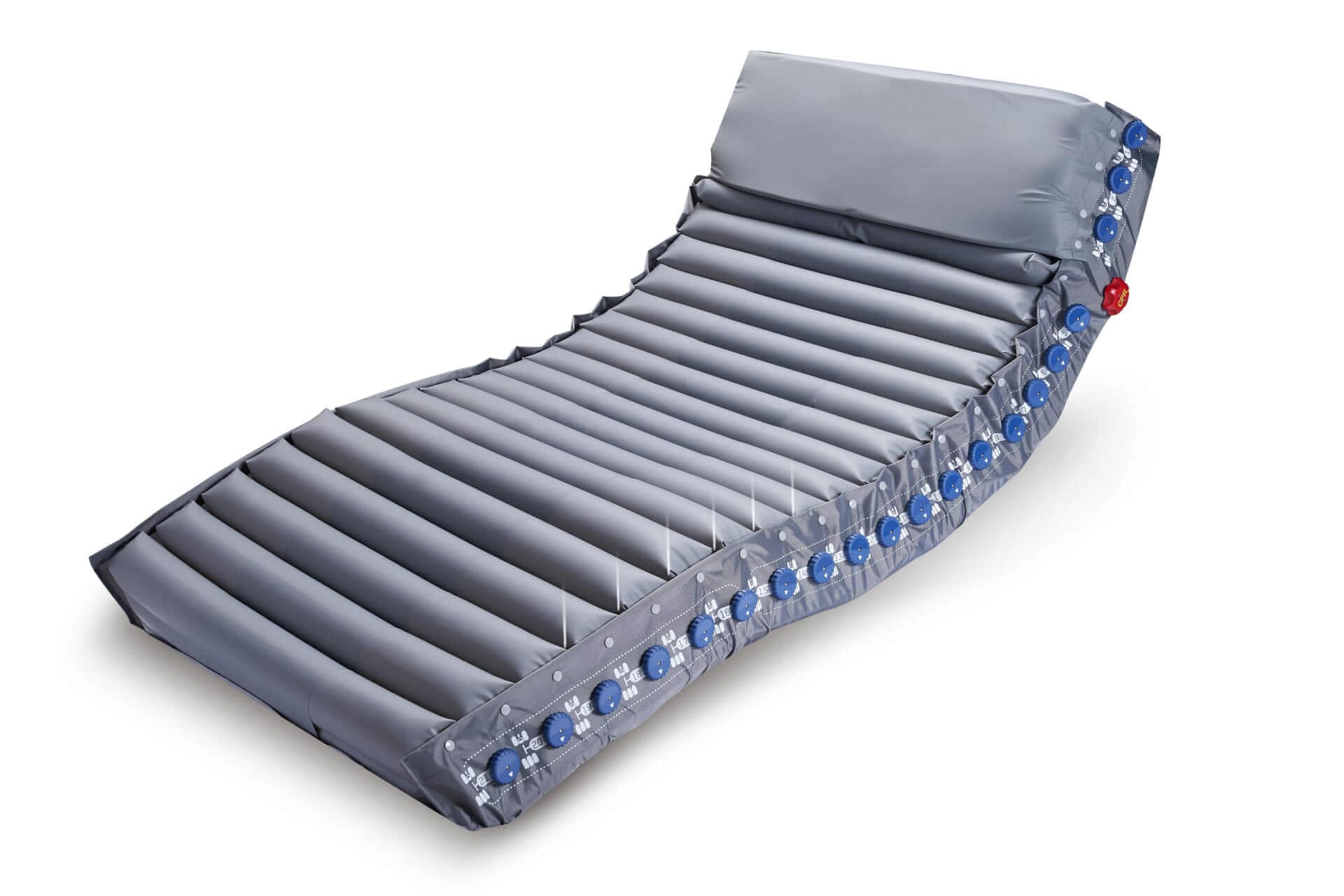
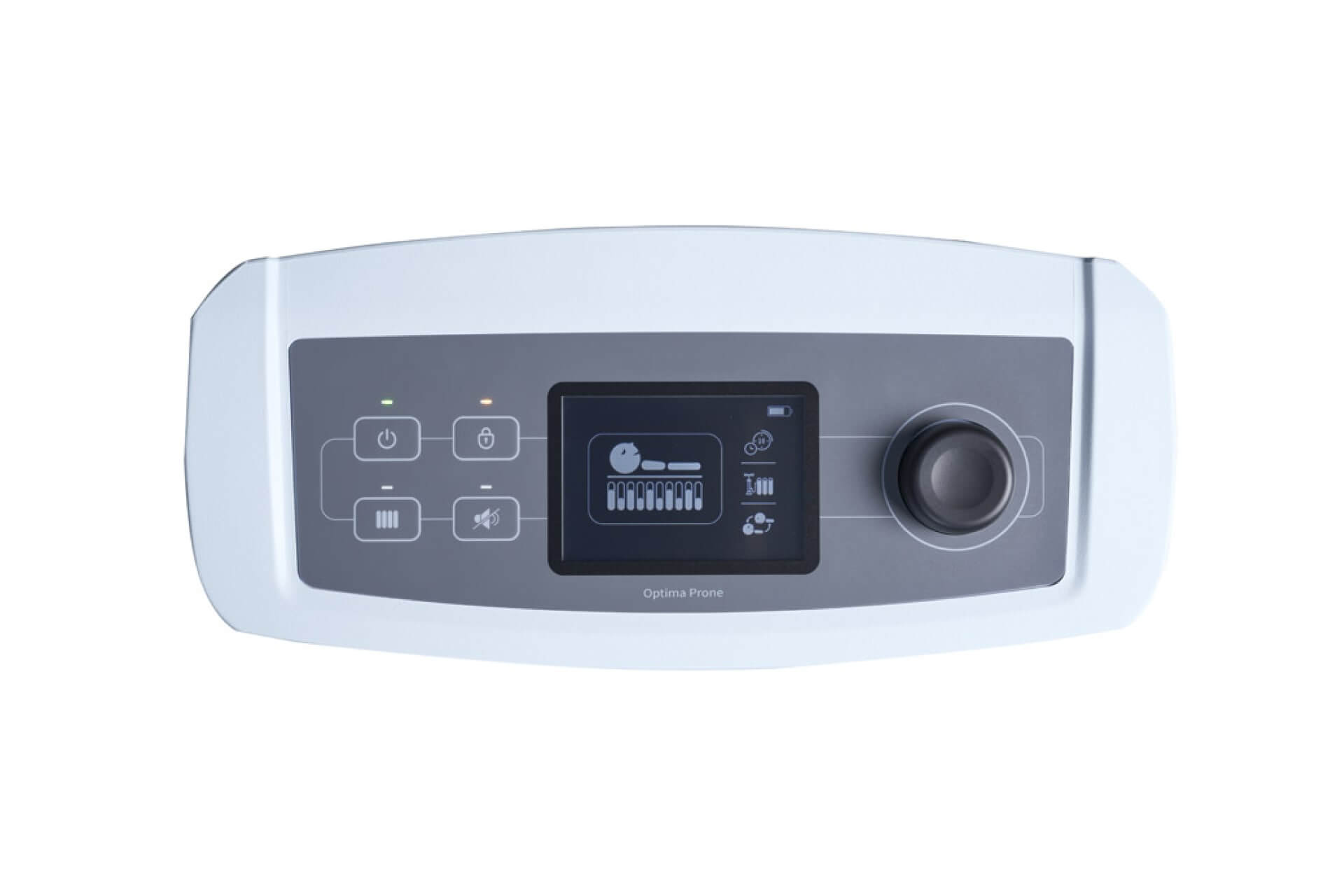
Caregivers inflate or deflate targeted zones using side-mounted controls to tune offloading
where it is needed most. A supplied airflow tracking aid supports consistent technique and
quality.
04
Protection for facial tissues
The proprietary face pillow combines a soft contour surface (with ear cut-outs) over the air
cells, with adjustable firmness, to minimise pressure and shear on the face and ears during
prone positioning.
Specifications
Mattress dimensions (L × W × H)
78.7 × 31.5—5.4 × 8 in / 2000 × 800—00 × 203 mm
Mattress weight
30.8 lb / 14 kg
Maximum patient weight
550 lb / 250 kg
Pump dimensions (L × W × H)
13.4 × 6.5 × 10.2 in / 341 × 165 × 260 mm
Power supply
120—30 V / 50—0 Hz
Frequently asked questions
Does the system run automatic checks when I change modes?
Yes. During mode transitions the system performs automated detection and status checks so
caregivers can confirm the mattress is in a safe state before therapy continues.
How many cells should I deflate for each body region?
Follow the product IFU for the recommended number of deflations for supine/prone head,
trunk, calf, and heel zones. Staying within the recommended ranges helps balance offloading
with support and stability.
What is Shoulder Lift Mode, and how long does it run?
Shoulder Lift Mode elevates the shoulder region to create space for airway and line access
and to support single-caregiver head repositioning. A typical cycle runs for about
10 minutes, after which the system can return to the programmed therapy
profile according to device settings.
After a mode ends, does the mattress switch back to alternating pressure?
Yes —when the timed mode completes, the system can automatically resume alternating
pressure therapy as configured in your facility protocol (refer to the IFU for
programmable options).
What if I deflate more cells than recommended?
Excessive deflation may reduce support and stability. Return to the recommended profile
and reassess the patient. If uncertainty persists, contact clinical support or biomedical
services per hospital policy.
What happens during power loss or patient transport?
On loss of mains power, follow emergency procedures in the IFU. For transport, use the
dedicated transport mode; an optional battery pack can maintain operation for
up to 6 hours depending on load and settings.
What material are the air cells made from?
Air cells are manufactured from TPU (thermoplastic polyurethane) for
durability and compatibility with standard cleaning protocols described in the IFU.
Is the battery mandatory for transport?
No. The battery is optional but recommended when intra-hospital transport may exceed
available mains power or when prolonged backup is required.
Where can I find cleaning and disinfection guidance?
Refer to the Instructions for Use (IFU) and hospital infection prevention policies. Use only
approved cleaners compatible with TPU surfaces.