Consistent turning quality
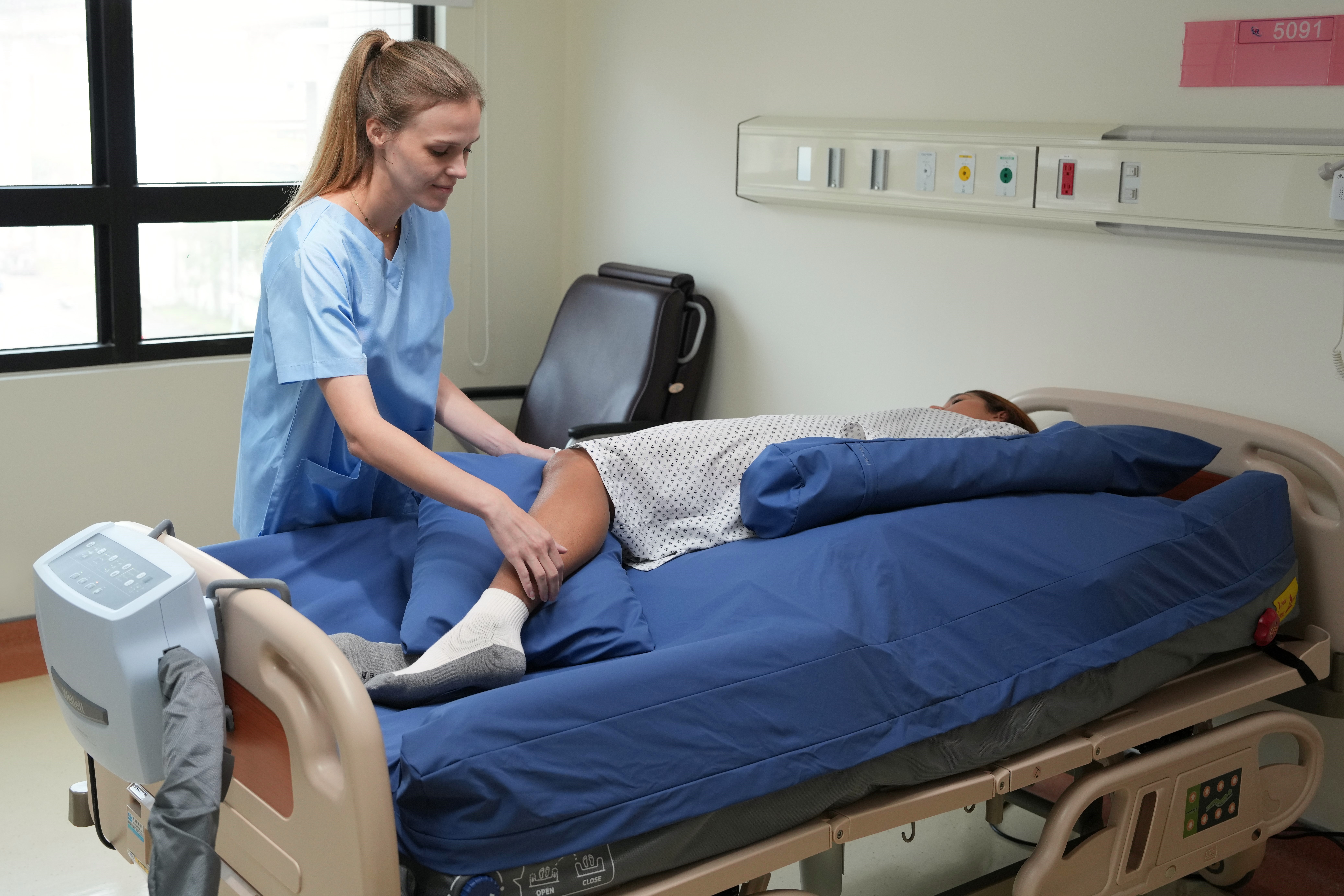
Automated turning can reduce required caregivers from 2— to 1, supporting consistent care quality, improving PI prevention, and further reducing caregiver workload.
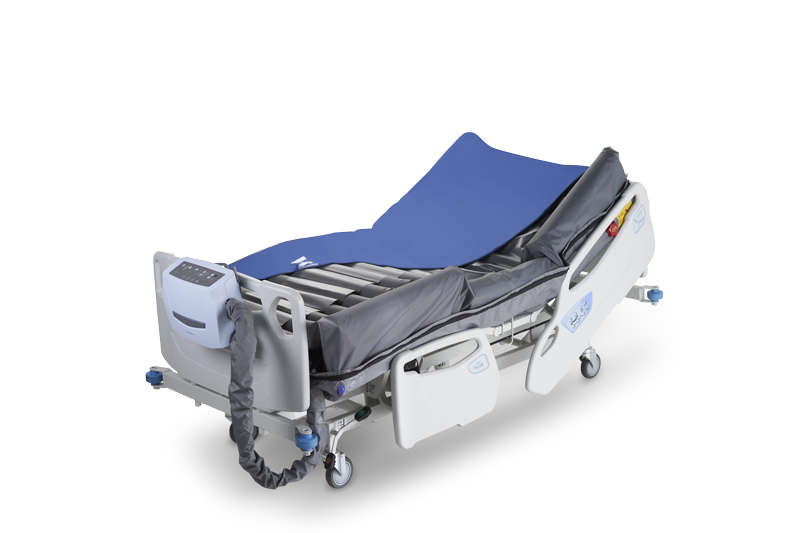
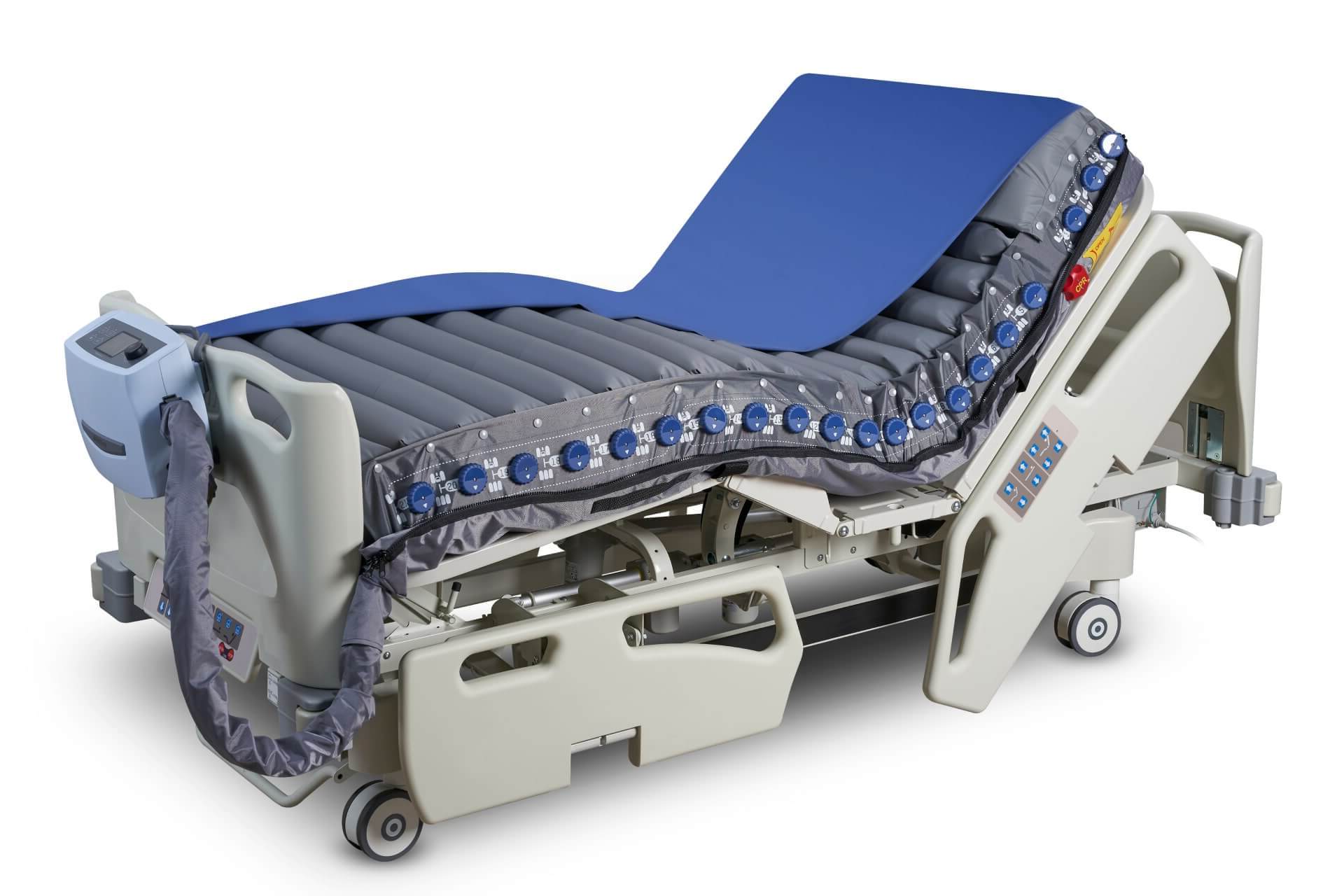
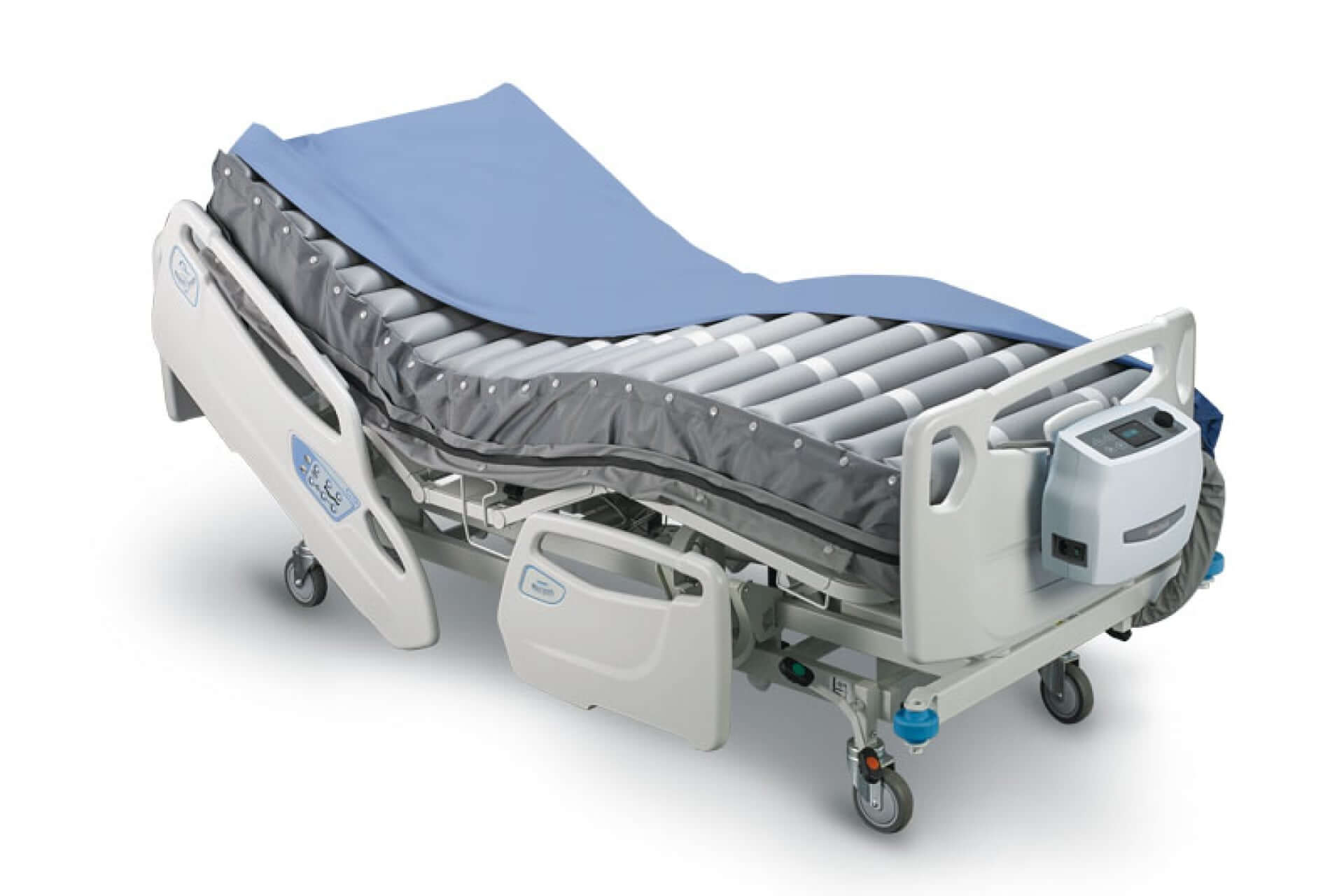
Positioning: Optima Turn is a lateral rotation air mattress for acute care.
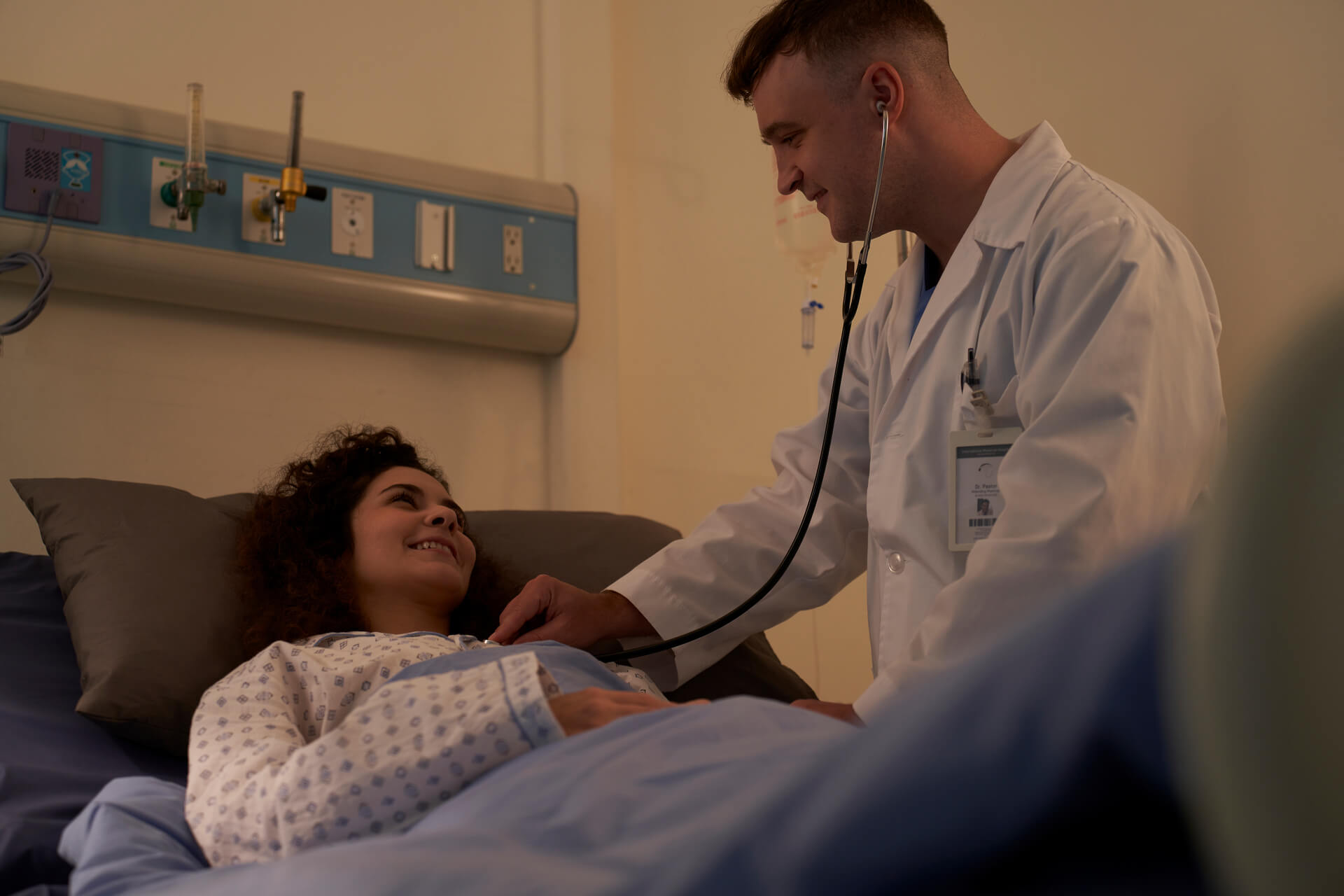
Intended patients: Suitable for patients at high to very high risk of pressure injury who may benefit from automated lateral repositioning support.
Value proposition: As an automated lateral rotation pressure injury solution, Optima Turn is designed to improve turning feasibility and patient comfort while supporting consistent prevention.
Clinical context
How Optima Turn helps: Optima Turn strengthens pressure injury prevention and reduces caregiver workload by combining turning with alternating pressure modes —supporting effective offloading with minimal disruption to existing workflows, for greater efficiency and comfort for patients and staff.
Automated turning can reduce required caregivers from 2— to 1, supporting consistent care quality, improving PI prevention, and further reducing caregiver workload.

The system continues to deliver alternating pressure during turning for improved offloading. Side air bolsters help protect the patient, support comfort, and fit clinical workflows; a lower mid section leaves space for drainage lines.

30° lateral rotation combined with cyclically inflating and deflating air cells supports ideal pressure redistribution and helps relieve pressure over bony prominences.

Heel cells can be independently deflated to deliver near-zero heel interface pressure across body types —lowering PI risk and supporting longer therapy duration.
| Mattress dimensions (L × W × H) | 78.7 × 33.5—5.4 × 10 in / 2000 × 850—00 × 254 mm |
|---|---|
| Mattress weight | 27.5 lb / 12.5 kg |
| Maximum patient weight | 396 lb / 180 kg |
| Pump dimensions (L × W × H) | 13.4 × 6.5 × 10.2 in / 341 × 165 × 260 mm |
| Power supply | 110—40 V / 50—0 Hz |

Automating caregiver workflows to improve pressure injury prevention and long-term patient care.
Guidelines recommend 30° lateral repositioning rather than 90° side-lying to help reduce pressure ulcer incidence. Turning every 3 hours at 30° has been associated with up to a 67% lower risk of early PI compared with 90° turning every 6 hours.
View clinical evidence